Name: Tulika Mahanty
Department: Leather Design Department
Category: CBDP
Campus : NIFT New Delhi
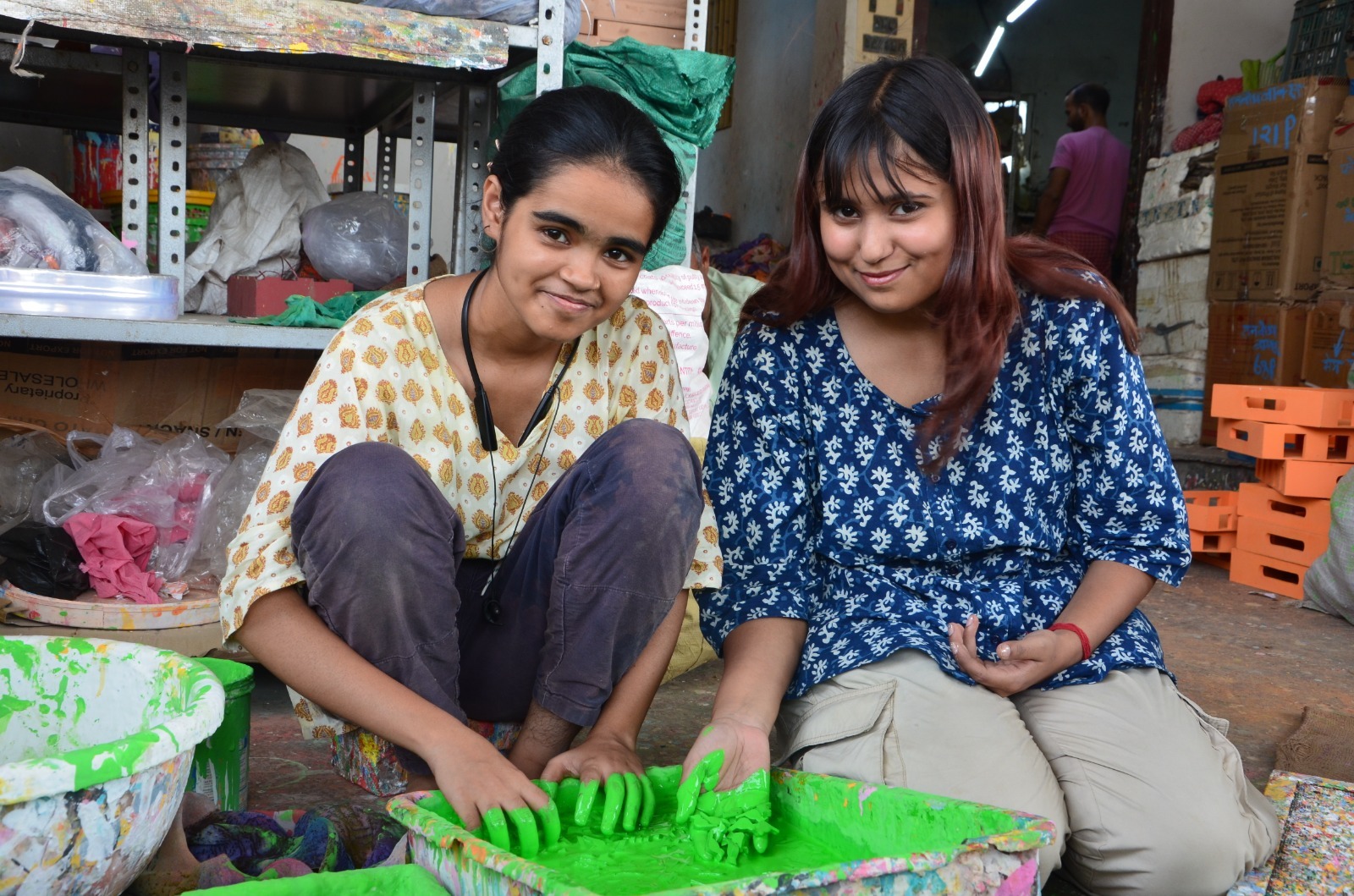
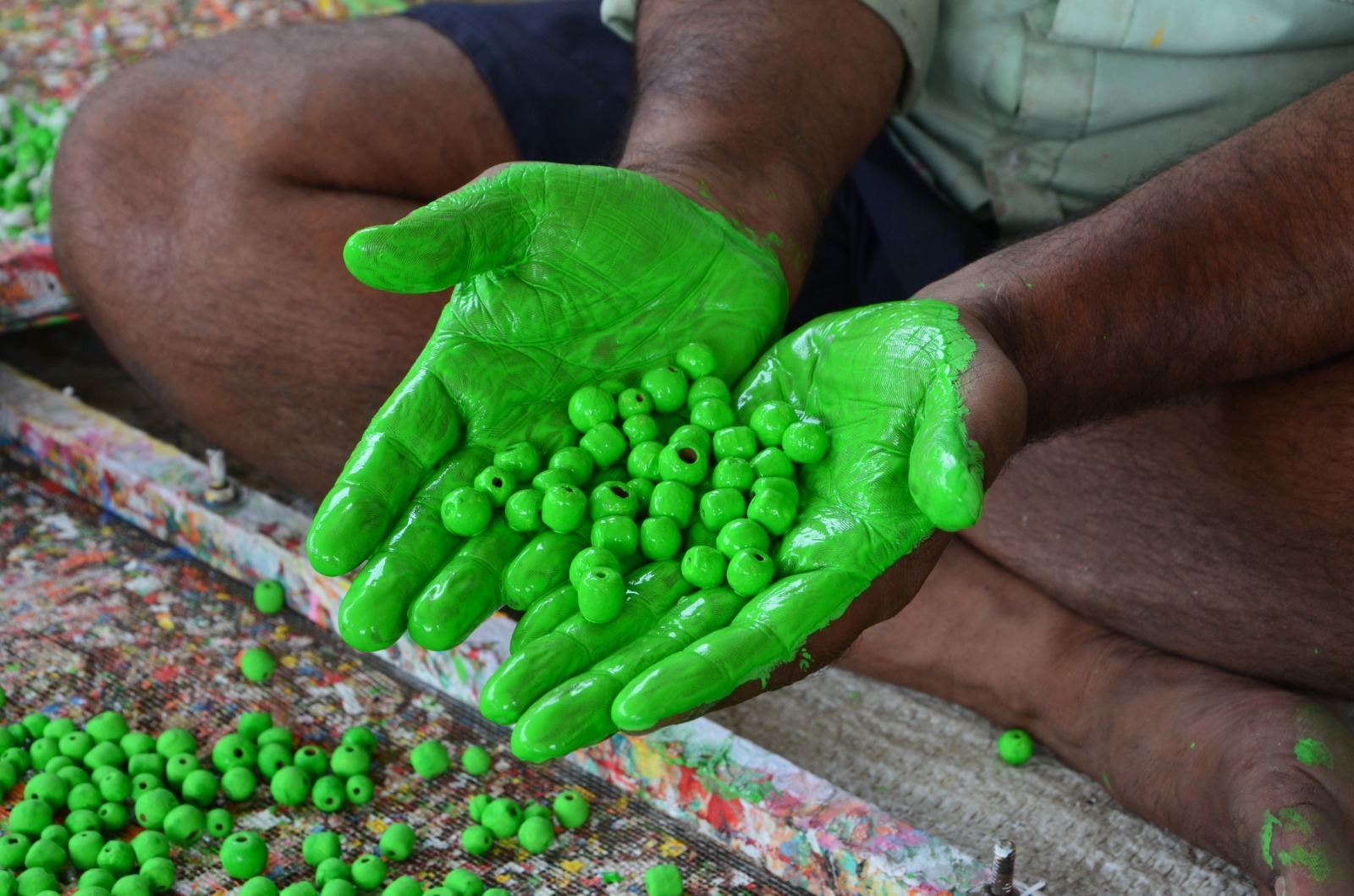
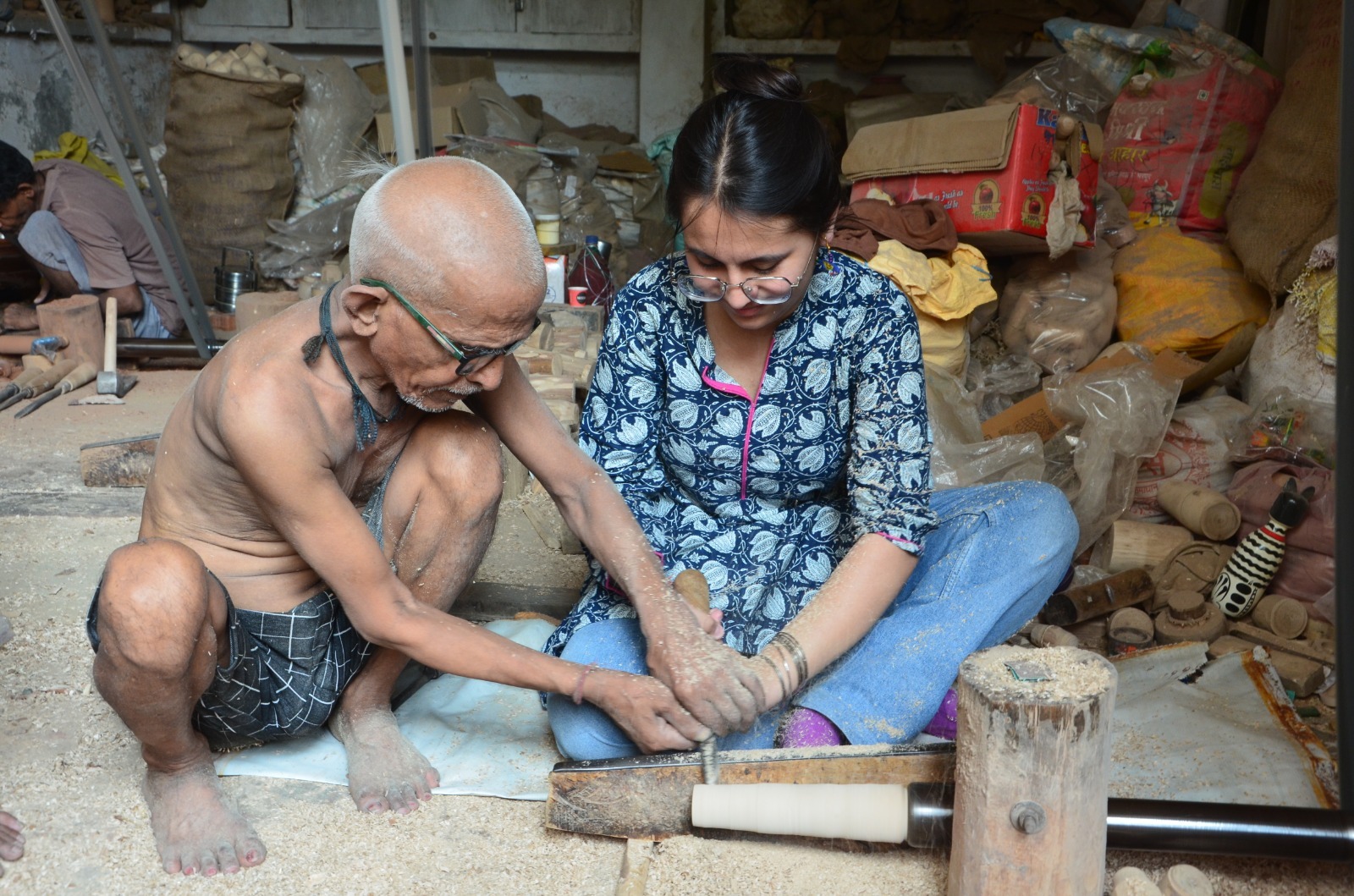
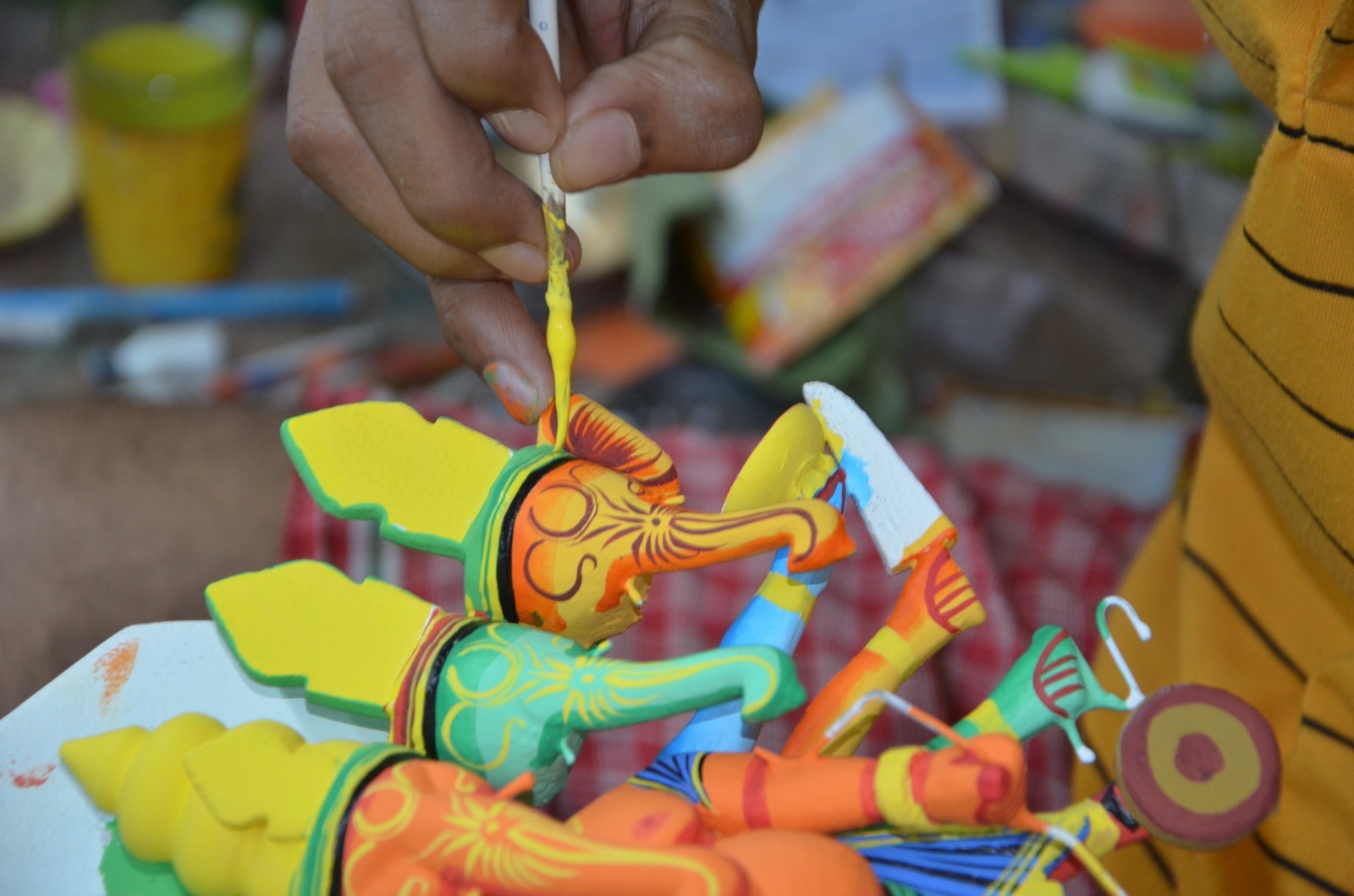
Wooden lacquer Toys Varanasi’s wooden toys are a traditional craft that reflects the city’s rich cultural heritage and skilled craftsmanship. Made from locally available wood, these handcrafted toys are shaped, carved, polished, and painted in vibrant colours. Common designs include animals, birds, figurines, and educational toys inspired by local culture and daily life. Valued for their artistic, cultural, and educational significance, they are now gaining popularity as eco-friendly alternatives to plastic toys. The craft continues to support artisans while preserving traditional skills and promoting sustainable living.

About the project
- Craft-Based Design Project: Wooden Toys, Varanasi, Uttar Pradesh
The tradition of wooden toy-making in Varanasi is an important part of the region’s rich craft heritage, showcasing generations of skilled craftsmanship and cultural storytelling. Created by artisan communities, these handcrafted toys are known for their vibrant colours, playful forms, and artistic appeal. The craft combines functionality, aesthetics, and cultural symbolism, making it a significant contribution to India’s handicraft traditions.
Traditionally, the toys are made from locally sourced wood and are carefully shaped, carved, and turned using hand tools and lathes. After carving, they are polished and painted, often depicting animals, birds, household objects, educational toys, and figures inspired by mythology and everyday life. Historically, natural dyes and lac finishes were used to enhance their beauty and durability.
Beyond their role as play objects, these wooden toys carry cultural and educational value by preserving regional stories, traditions, and artisanal knowledge. They encourage imaginative and tactile play while connecting children to local heritage.
In recent years, growing awareness of sustainability has increased the popularity of Varanasi’s wooden toys as eco-friendly alternatives to plastic products. Supported by government initiatives, handicraft fairs, and online marketplaces, the craft continues to create livelihood opportunities for artisans while preserving traditional skills and adapting to contemporary market demands.
Students:
- Khushii Dahiya
- Priya Milind Bagalkote
- Ilma Amir
- Shreya Shrivastava
- Tanushri Jhita
- Tiya Kathuria
- Shreya
Under the guidance of our mentor:
- Dr. Tulika Mahanty
- Dr. Dolly Kumar
NIFT Assistant
Online — Ready to help
AI