Name: Bagru Printing Craft, Batch 2023-27
Department: Fashion Design Department
Category: CRD
Campus : NIFT Raebareli
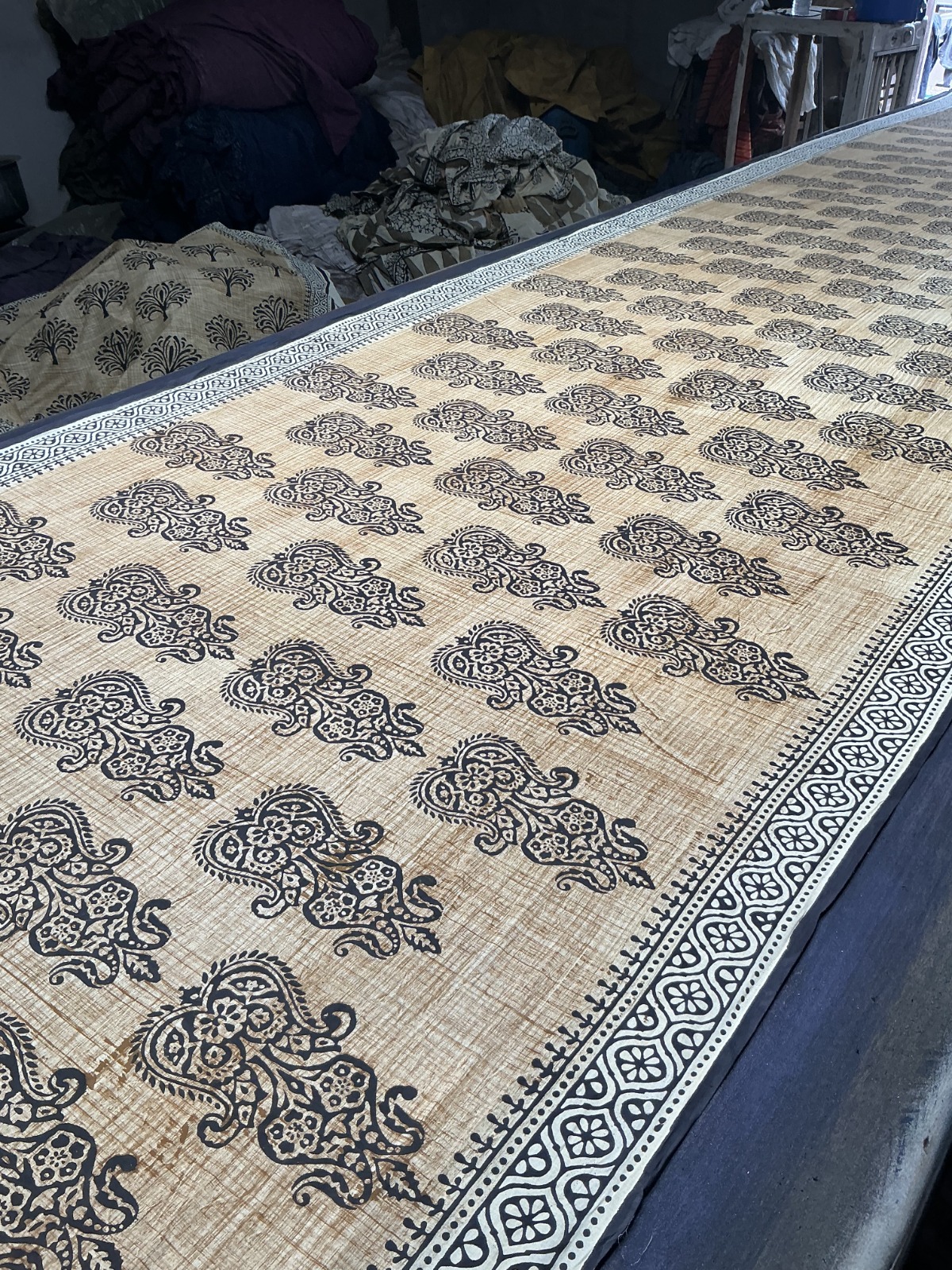
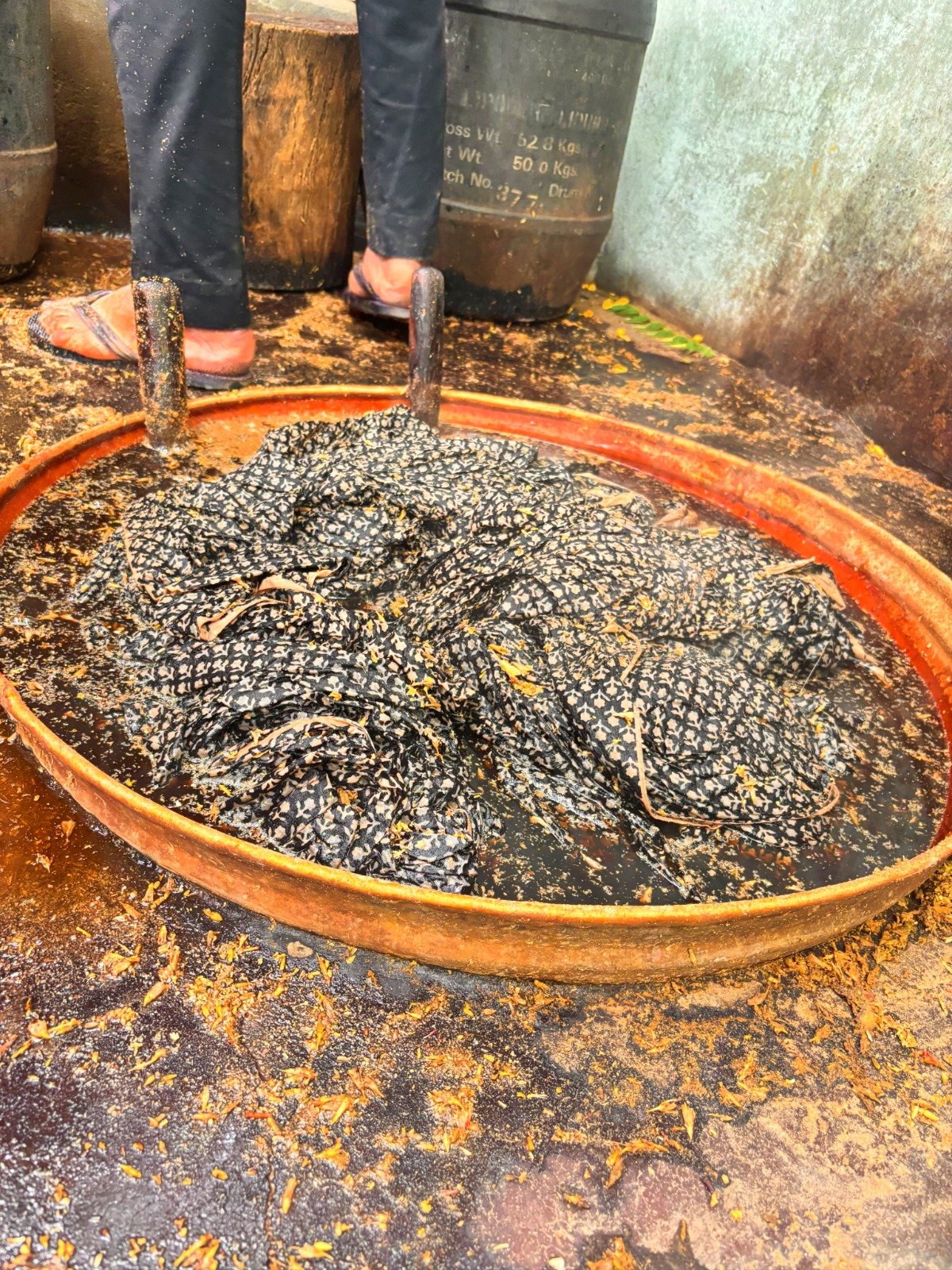
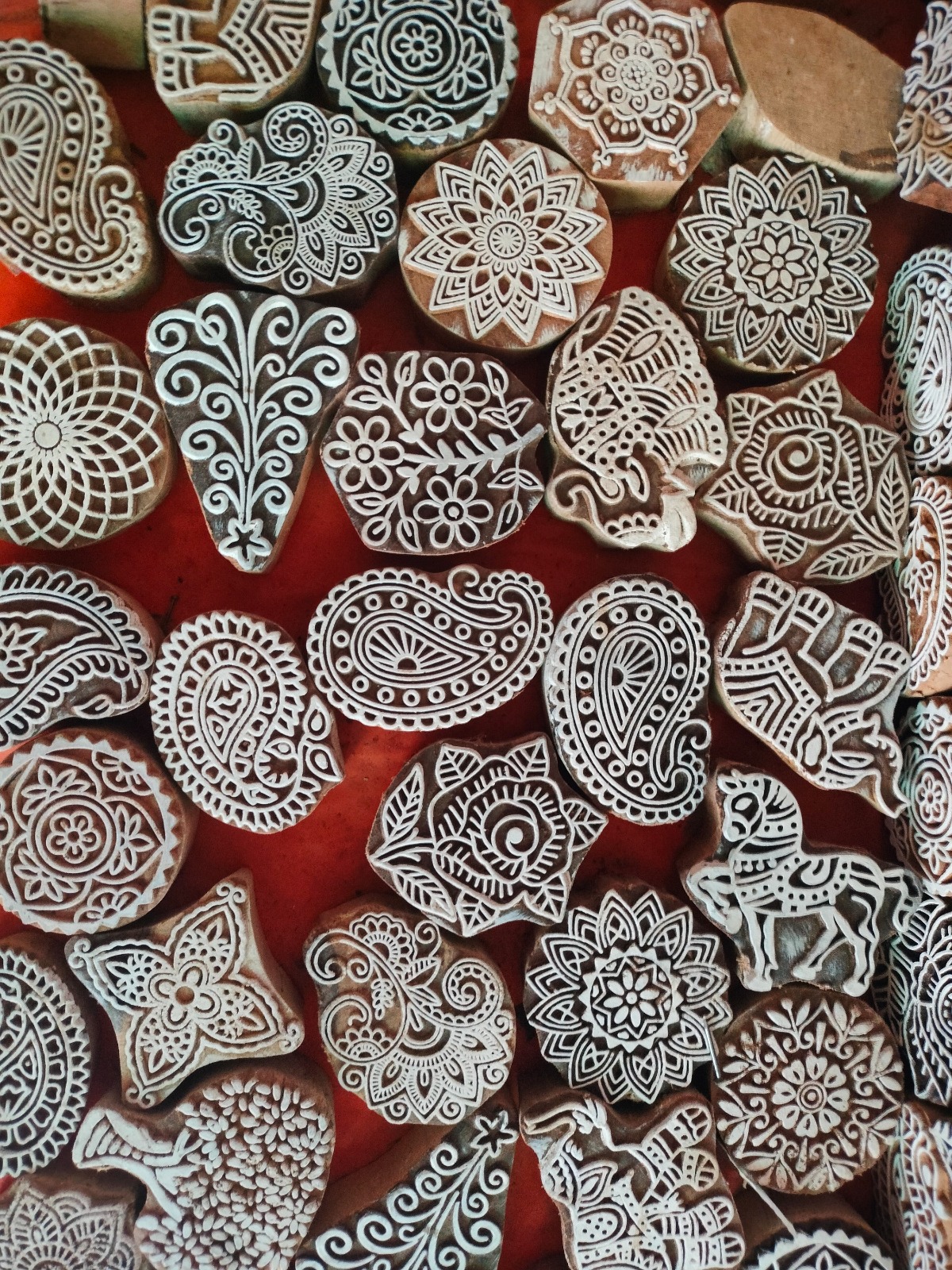
Faculty Mentor: Dr. Stuti Sonker,, Asst. Prof., FD, NIFT Raebareli Students Group: (Batch 2023-27), CRD Done in June-July, 2025 1. Himanshi Sharma 2. Adrija Dey 3. Ayush Rohtela 4. Tanzeem , 5. Prachi Singh , 6. Aneena Mariya 80-Word Note: Bagru Printing FD department of NIFT Raebareli did Craft Research Documentation in Bagru Printing of Jaipur. Bagru printing is a centuries-old traditional hand block printing technique practised predominantly by the Chhipa community in Bagru, a village near Jaipur, Rajasthan. Known for its earthy aesthetic, symmetrical motifs, and natural dye usage, this craft reflects a deep connection with the region’s cultural, social, and ritual life. The process involves intricate hand-carved wooden blocks, eco-friendly dyes derived from plants and minerals, and a multistage technique including pre-treatment, dyeing, and printing. Historically, Bagru prints held symbolic meaning in community dress codes and rituals, with specific motifs and colours reserved for weddings, mourning, or seasonal celebrations.

About the project
- Faculty Mentor: Dr. Stuti Sonker, Asst. Prof., FD, NIFT Raebareli
- Students Group: (Batch 2023-27)
- CRD Done in June-July, 2025
Students Group:
- Himanshi Sharma
- Adrija Dey
- Ayush Rohtela
- Tanzeem
- Prachi Singh
- Aneena Mariya
Brief Note:
Fashion Design department of NIFT Raebareli did Craft Research Documentation in Bagru Printing of Jaipur. Bagru printing is a centuries-old textile craft practised in Bagru, a village near Jaipur in Rajasthan. Bagru printing is a centuries-old traditional hand block printing technique practised predominantly by the Chhipa community in Bagru, a village near Jaipur, Rajasthan. Known for its earthy aesthetic, symmetrical motifs, and natural dye usage, this craft reflects a deep connection with the region’s cultural, social, and ritual life. The process involves intricate hand-carved wooden blocks, eco-friendly dyes derived from plants and minerals, and a multistage technique including pre-treatment, dyeing, and printing. Historically, Bagru prints held symbolic meaning in community dress codes and rituals, with specific motifs and colours reserved for weddings, mourning, or seasonal celebrations.
Over time, Bagru printing has evolved through Mughal influence, colonial decline, and post-independence revival, integrating contemporary designs while preserving traditional practices. Despite its global appeal and market expansion, the craft faces challenges such as competition from machine-printed imitations, lack of branding, and limited digital access for artisans. Today, Bagru printing stands as a vibrant representation of India’s living textile heritage, sustained by community effort, cultural pride, and growing appreciation for slow, sustainable fashion.
NIFT Assistant
Online — Ready to help
AI