Name: Mr. Ritesh Panda
Department: Fashion Communication Department
Category: CRD
Campus : NIFT Bhubaneswar
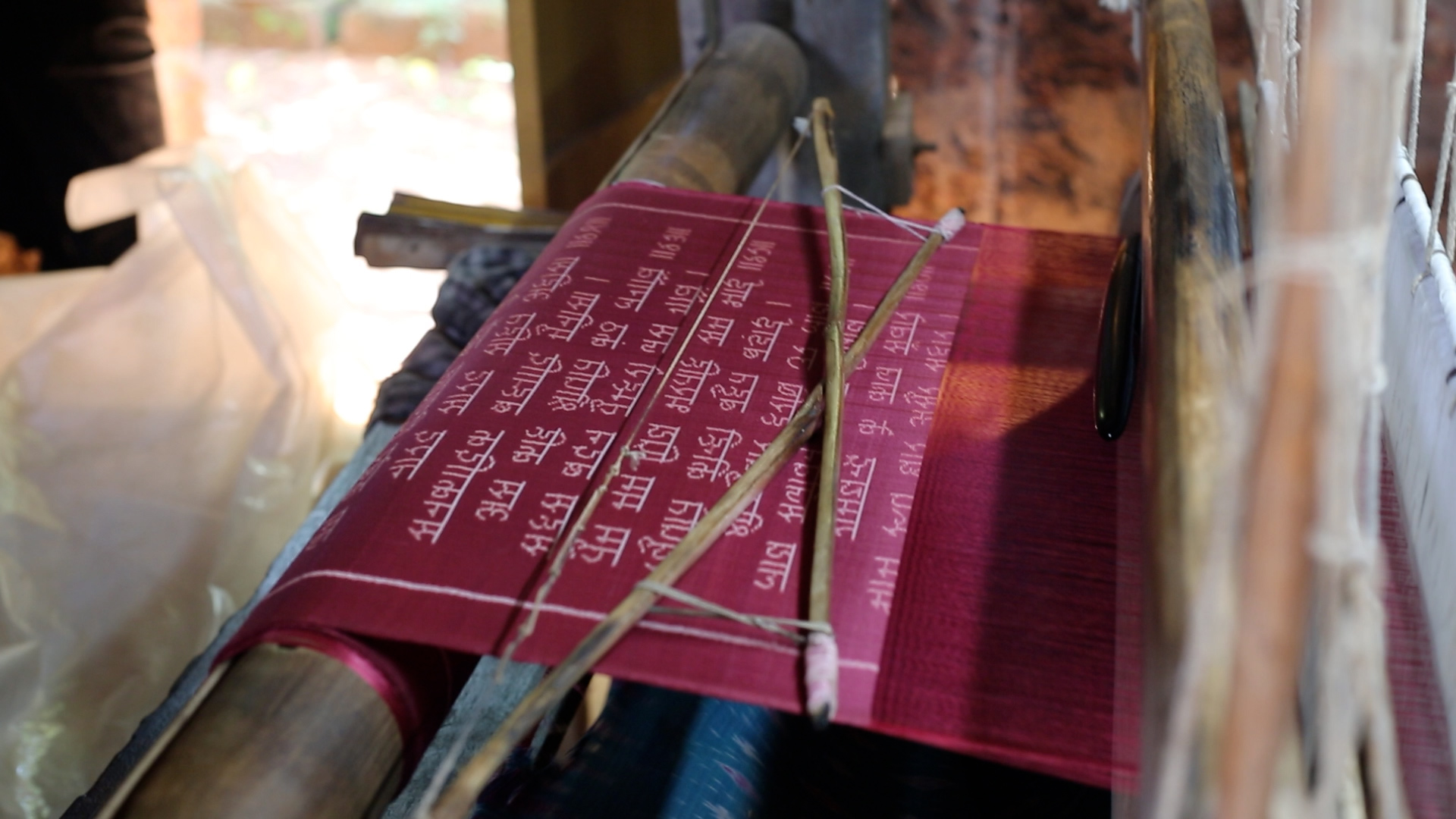
This research document title “Sutra Katha” presents a comprehensive study of Khandua sarees from the Nuapatana cluster in Odisha, undertaken as part of the Craft Cluster Initiative Program supported by the Ministry of Textiles, Government of India. The study explores the cultural, historical, and spiritual dimensions of the traditional handloom practices of the Nuapatana weaving community, with a specific focus on the evolution and significance of the motifs featured in Khandua textiles. Through field visits, interviews with artisans, and visual analysis, the documentation investigates the origins, production processes, tools, and traditions that define this unique craft. A trend study highlights the current relevance of the motifs and their adaptation by contemporary designers. To evaluate the sustainability of the cluster, a SWOT analysis was conducted, identifying key strengths, weaknesses, opportunities, and threats. The research underscores how ikat weaving in Nuapatana represents more than a source of livelihood—it is a living tradition and a strong expression of cultural identity. Keywords: Khandua saree, Nuapatana, handloom, ikat, Odisha textiles, motif analysis, craft tradition, cultural heritage

About the project
The Nuapatna Craft Cluster Documentation Project was undertaken by a team of students comprising Arnab Mondal, Peeyusha Biswas, Shaan Shiraj, Sk Sorforaj, Srusti Samikshya, Sneha Singh, and Tansha Chowdhuri under the mentorship of Mr. Deepak Ranjan Padhi. The project focused on documenting the rich textile heritage and traditional weaving practices of the Nuapatna cluster, a renowned handloom center of Odisha known for its exquisite Ikat (Bandha) weaving techniques.
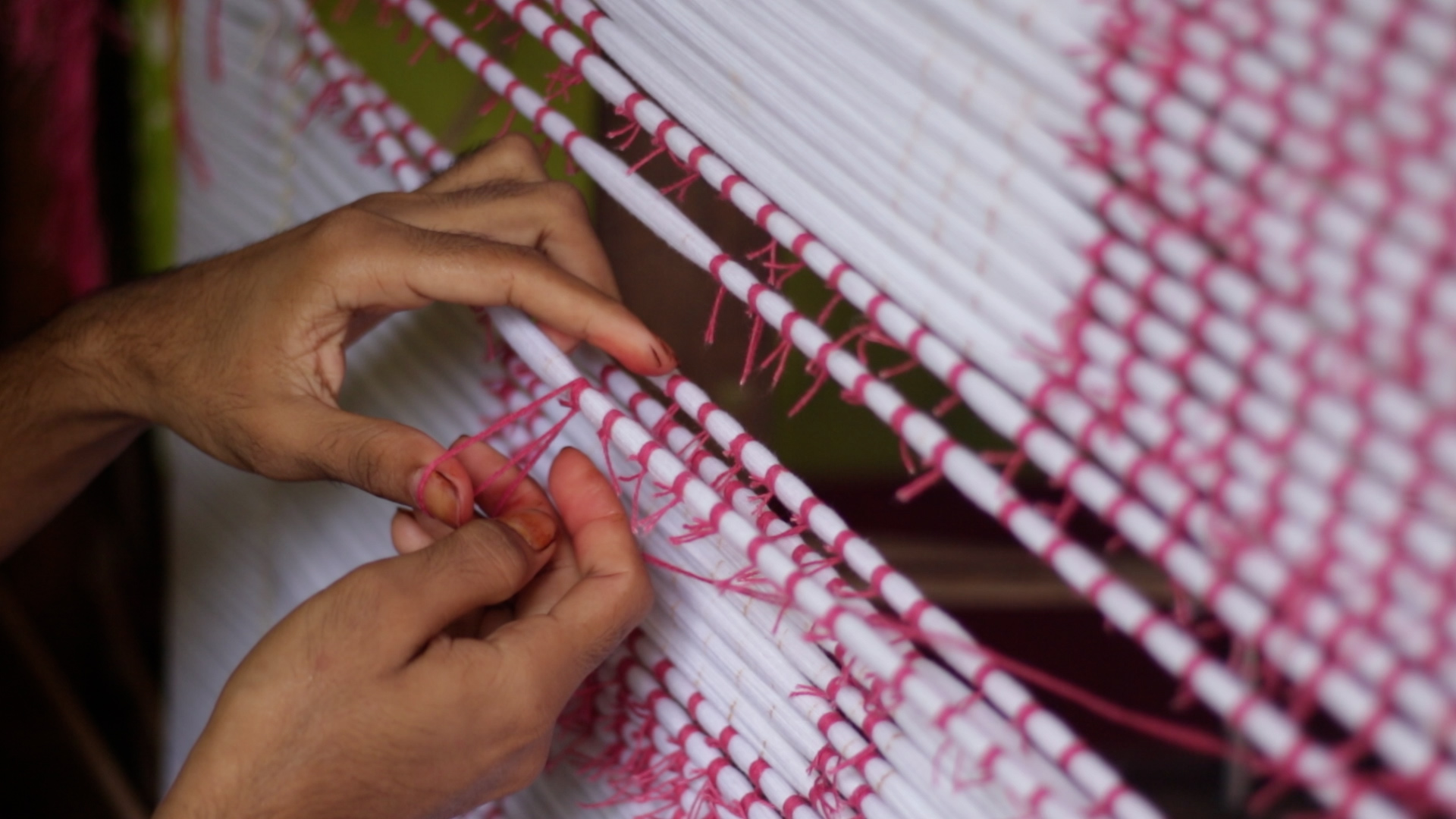
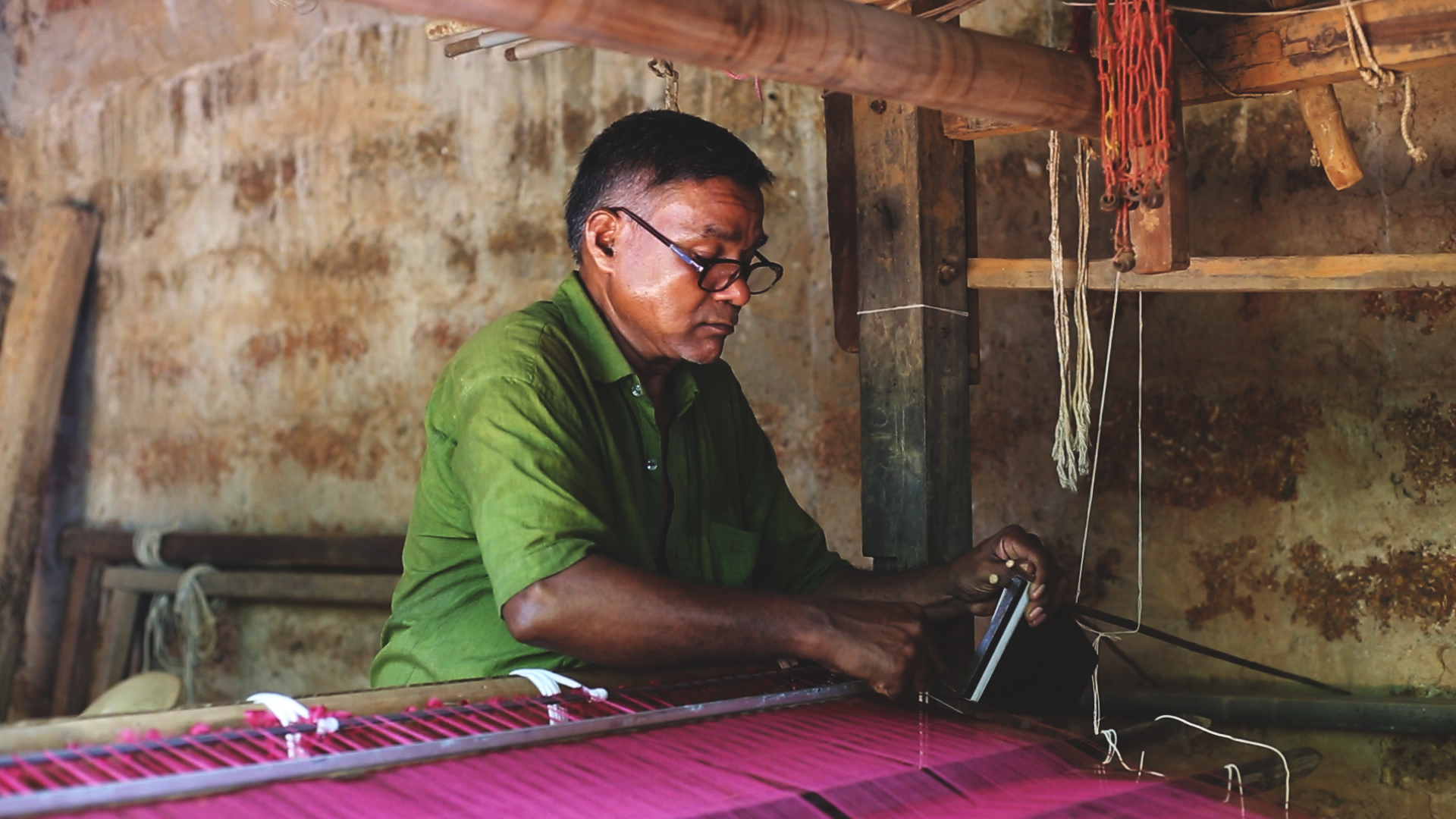
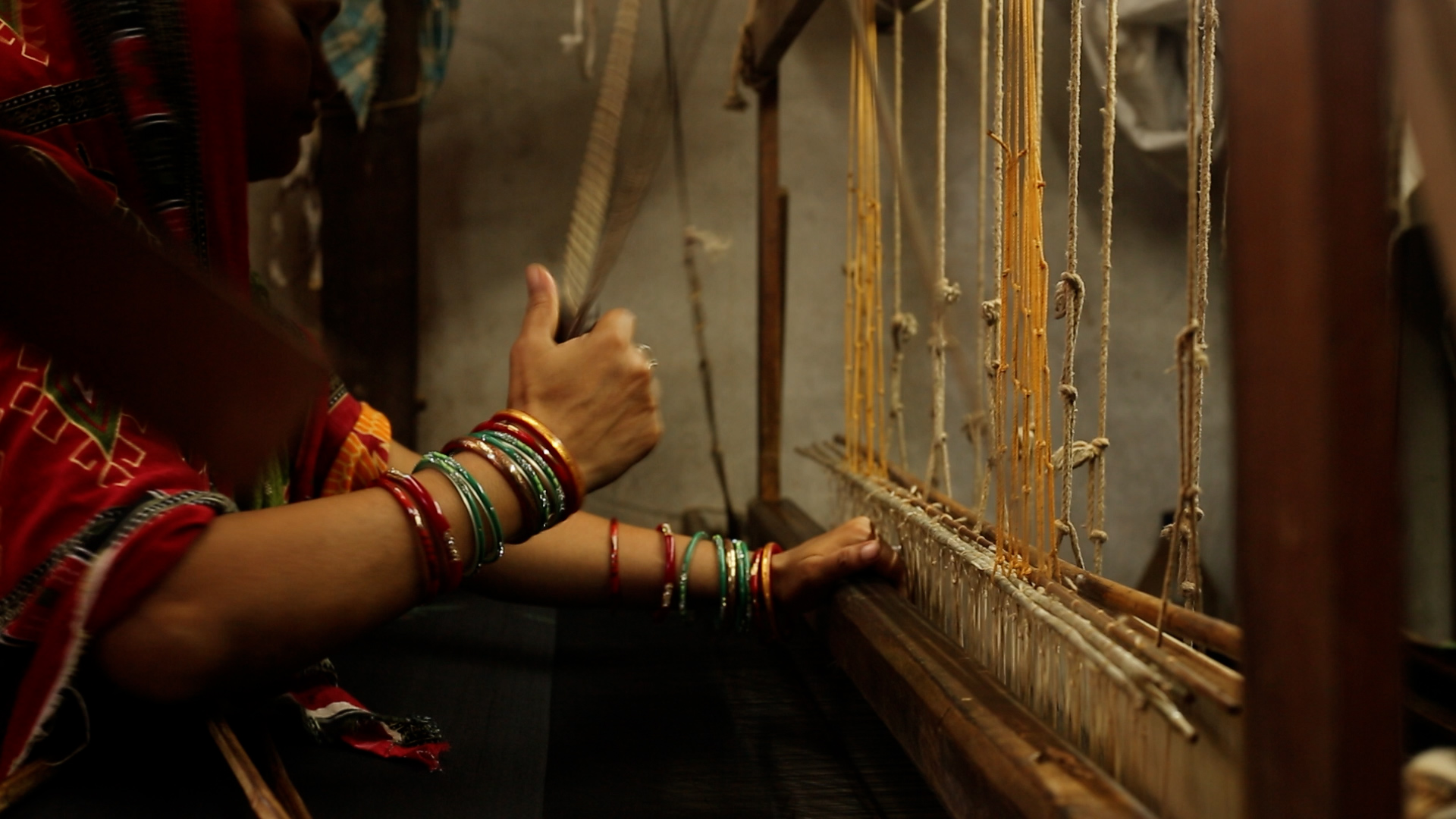
During the field visit, the team closely interacted with artisans, master weavers, and local stakeholders to understand the socio-economic, cultural, and technical aspects of the craft. Detailed observations were made regarding raw material sourcing, dyeing processes, motif development, loom operations, production systems, and market linkages. The documentation also captured the challenges faced by artisans, including changing market demands, competition from power looms, and the need for technological interventions.
The project aimed to preserve and promote the traditional knowledge associated with Nuapatna weaving while identifying opportunities for design innovation and sustainable development. Through interviews, photographs, videos, and field observations, the team created a comprehensive record of the cluster's craft ecosystem. The study provided valuable insights into the significance of preserving India's handloom heritage and supporting artisan communities for future generations.
NIFT Assistant
Online — Ready to help
AI